Taken as a whole, rural property is on the upswing. However, there are exceptions.
In the sheep and beef, dairy and kiwifruit sectors, farmers and growers are doing well. Plenty are motivated to buy property therefore consolidating their holdings and maximising revenue while the going is so good.
However, in some regions listings are in short supply. Some who might otherwise sell are choosing not to do so, believing their capital is better invested in their existing business.
Other sectors, particularly viticulture and cropping, are dealing with structural challenges, which are likely to take some time to resolve. In these sectors the property market will remain at low levels for the foreseeable future.
Click the links below to jump to a specific market update:
- North Island Sheep and Beef
- South Island Sheep and Beef
- North Island Dairy
- South Island Dairy
- Viticulture
- Kiwifruit
- Pipfruit and Stonefruit
- Cropping
- Forestry
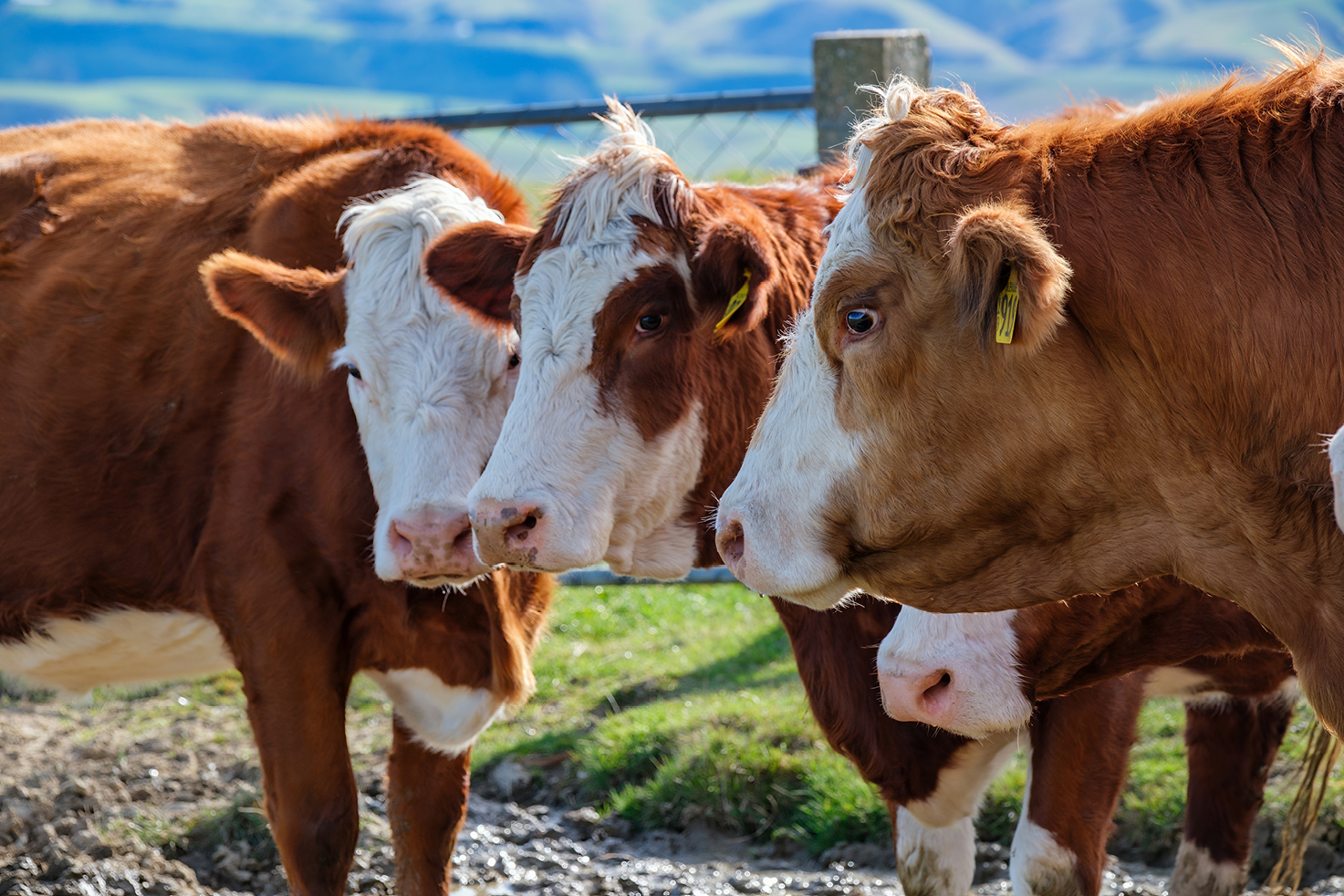
North Island Sheep and Beef
Meat processors reacting to strong export demand continue to underpin a positive outlook in the red meat sector as they chase livestock to fill cattle, lamb and ewe schedules.
While some farmers may be wary of the forecast dry summer, favourable winter weather conditions through most districts ensured a good cover of pasture in the spring.
As is traditional, through the winter the market for North Island sheep and beef properties has been slow. Due to this being an election year some farmers are cautious, while current livestock markets make the cost of stocking a property another factor to take into account.
Possible interest rate rises are also inhibiting property market activity. However, banks appear to have a good appetite to support their rural customers.
Interest in the rural property sector should lift during the spring as several larger farms are set to come to the market. Historically strong returns are encouraging plenty of qualified and motivated buyers, leading to supply lagging demand for sheep and beef breeding and finishing properties.
For those considering downsizing or completing a farming career, the present market conditions, particularly the shortage of good farms, make now an ideal time to sell.
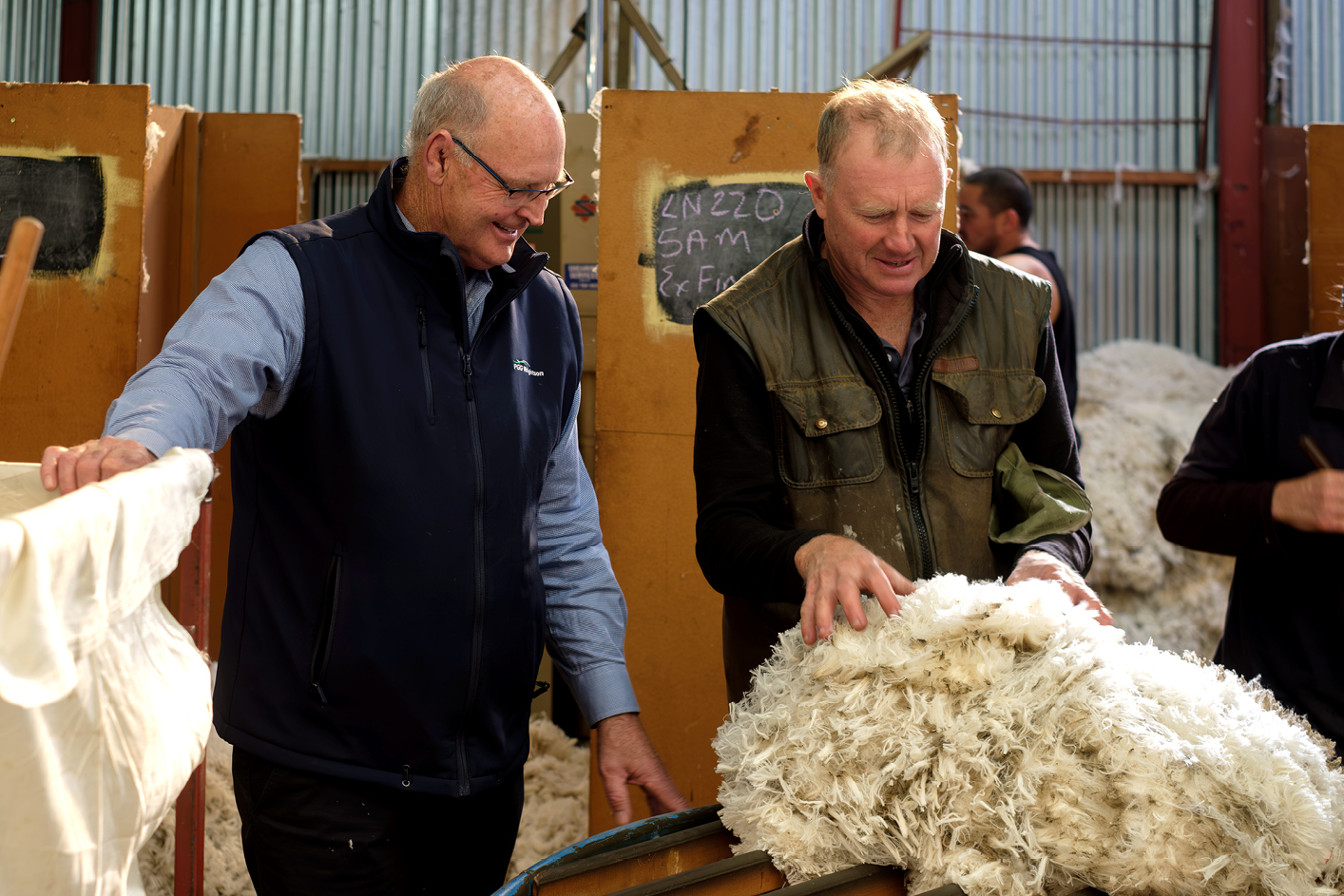
South Island Sheep and Beef
While strong returns for red meat continue, processors looking to fill schedules are supporting steady demand for South Island livestock. In late winter lambs were selling at $12 per kilogram or more. Ewes are also attracting good premiums. Although overseas demand for beef has dipped slightly, overall prospects remain vibrant.
By late winter, under steady recent demand, most South Island sheep and beef farms offered for sale had sold. These included some listed for an extended period. As spring proceeds the supply-demand imbalance may even out.
Several significant properties changed hands across the South Island. Based on the appetite and resources of neighbours, some of these farms split up and sold in smaller parcels.
Banks are keen to lend, with good competition among them for new and existing business.
With the market firming by 10 to 15 per cent compared to last winter, it could lift further through spring.
Where revenue diversification through alternative land use is viable, South Island farms will attract extra attention, including for power generation such as wind or solar.
Although genuine confidence continues to positively influence the market, the El Niño prediction is bringing some caution.
Confidence in the sector is high. Strong farmgate milk pricing, plus the cash that came after the autumn Fonterra retail brand sale, is prompting farmers with scope and scale to look for new opportunities. In early spring dairy cows were averaging above $3000.
Only a few farms are available. Some tier one Waikato properties will attract interest when they come to the market, raising per-hectare prices. Other properties are likely to sell at 2025 values, as determined by banks and servicing capacity. As well as attracting first-time farmers, smaller dairy units will be sought after by established neighbours looking to expand or possibly convert dairy platforms to support blocks.
Bankers are active, making consistent enquiry about potential listings. When new listings emerge, motivated parties are showing genuine interest, usually with realistic value expectations.
Investor interest in North Island dairy properties is keen, while new entrants are also seeking a way in. With demand for farms exceeding supply however, plus the cost of livestock, anyone not already in the sector may struggle.
As spring and summer proceed, the caution typical of an election year and the predicted dry summer might both influence the North Island dairy property market.
Despite rising interest rates, fertiliser and fuel costs, the mood of South Island dairy farmers is holding firm based on consistent high returns.
Twenty to 25 per cent more Southland dairy properties sold this year than last, average values rose 10 to 15 per cent, and the region’s better farms changed hands around $50,000 per hectare.
With limited alternative investment options, Canterbury farmers are reluctant to sell. Farms offered sold well, including a Mid-Canterbury property auctioned at $89,000 per hectare, a new record.
Around 20 Mid and South Canterbury farms are set for dairy conversion for the 2027 season, plus another 20 in 2028. In each of the next two years between 16,000 and 18,000 additional cows will be needed to populate what have been dairy support and mixed cropping farms.
Such conversions place pressure on dairy grazing. In Canterbury and also into Southland heifer grazing rates are on the rise. Farmers are considering buying run-off properties to offset these higher costs.
So long as they are able to keep putting milk in the vat, confidence among the sector’s farmers is likely to remain high through spring and summer.

Viticulture
While this autumn’s harvest increased on last year by 31 per cent, more moderate drinking is a global consumption trend, meaning New Zealand’s viticulture industry is seriously oversupplied.
With their own land and vines larger corporates no longer need additional grapes so are reviewing supply arrangements, capping yields and reducing prices. Contract growers are struggling.
Vines are being ripped out and vineyards mothballed or left on minimal maintenance. Optimism is scarce.
In Blenheim in late August 250 people attended a seminar on land use options. Pipfruit, kiwifruit, avocados, citrus, blueberries, commercial vegetable crops, seed and grain were all canvassed. Alternatives require major capital investment. Investigation of water allocations will need to precede any return to traditional farming.
In Gisborne over half the grapes have been pulled out. In Hawkes’ Bay vineyards are selling at less than $21,000 per hectare, while a 200 hectare vineyard was pulled out and re-pastured to extend a neighbouring lamb finishing block.
Any vineyards on the market are tough to move. One major international label has sold hundreds of hectares in Canterbury and Marlborough at around one third of peak market values. Most of these older vines will be removed to grow pasture or barley.
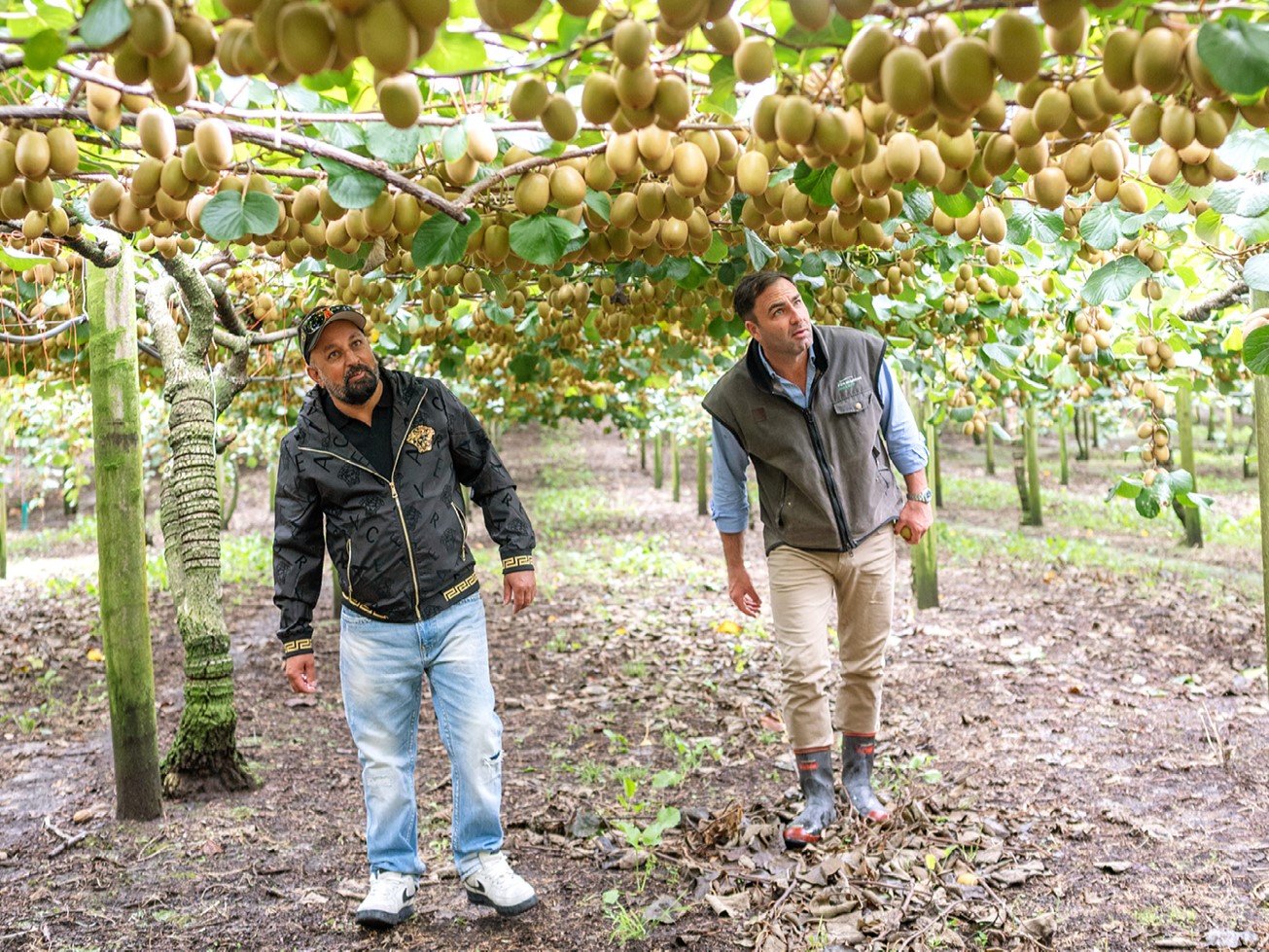
Kiwifruit
A bumper 2026 harvest, the largest ever at 225 million trays, excellent fruit quality and strong export demand means kiwifruit growers are riding high.
Through spring the market should rise to new levels. Zespri forecasts remain positive, bank support is firm, and the winter weather indicates a good bud-burst.
One widely reported recent transaction, a 359 hectare Pukehina dairy farm was purchased for conversion to kiwifruit. Another 45 hectare greenfield development block changed hands around $170,000 per hectare.
In early September a mixed variety orchard in kiwifruit’s dress circle sold well, with the G3 portion valued at more than $1.65 million and the green at $700,000 per canopy hectare, both crop exclusive. These were among the highest values of any sale since record prices were paid in 2022.
Demand for orchards outweighs supply by a factor of ten. Once it lists, any premium block is attracting multiple offers. One such, coming to the spring market, is a 13.7 hectare G3 orchard with average annual production of 22,000 trays per hectare and orchard gate returns close to $240,000 per canopy hectare.
By specifying the end date of the G3 licensing period, Zespri provided the sector with increased certainty.
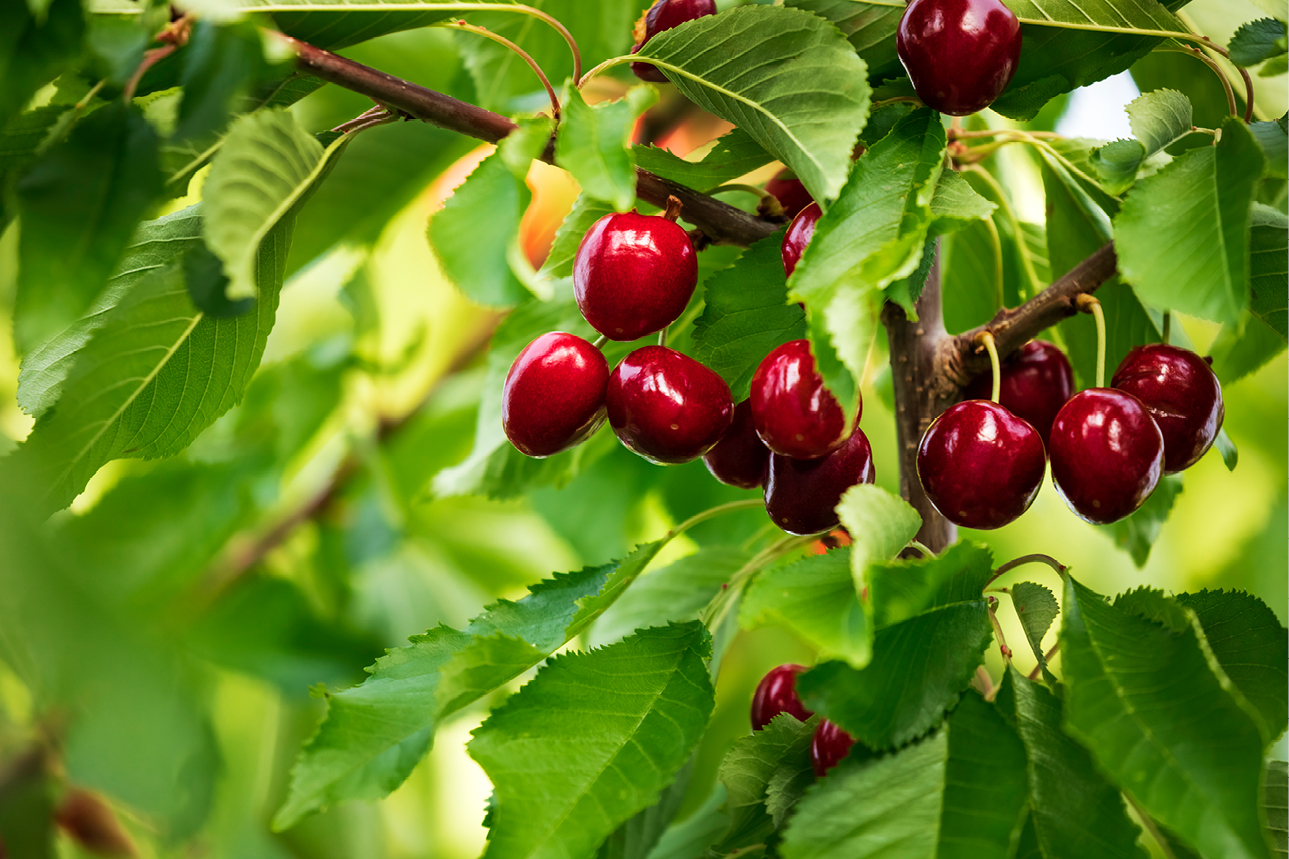
Pipfruit and Stonefruit
Pipfruit growers with properly managed and popular varieties are doing well, including several that have now negotiated their way through torrid times.
Returns for apples are favourable, particularly those varieties shifting market focus from Europe towards Asia. Aside from some grafting to switch to varieties with greater consumer appeal, there is no wave of development. Growers instead are tending to consolidate what they already hold.
New Zealand’s free trade agreement with India has encouraged several established pipfruit growers, and others with connections to India, to take steps to maximise the opportunities.
While the sector’s outlook is generally positive, some high-profile receiverships have resulted in the forced sale of several orchards.
Prompted by these forced sales, any active buyers are looking for a bargain. These sales include leases, which are more common in pipfruit circles than transactions of freehold orchards.
Having some sellers under this sort of pressure makes it difficult to accurately assess current market values, which will deter anyone not under duress from offering a pipfruit orchard for sale at present.
After a difficult last season, when only half the crop was fit for export, cherry growers are hoping for better weather to enable them to consolidate this summer.
Cropping
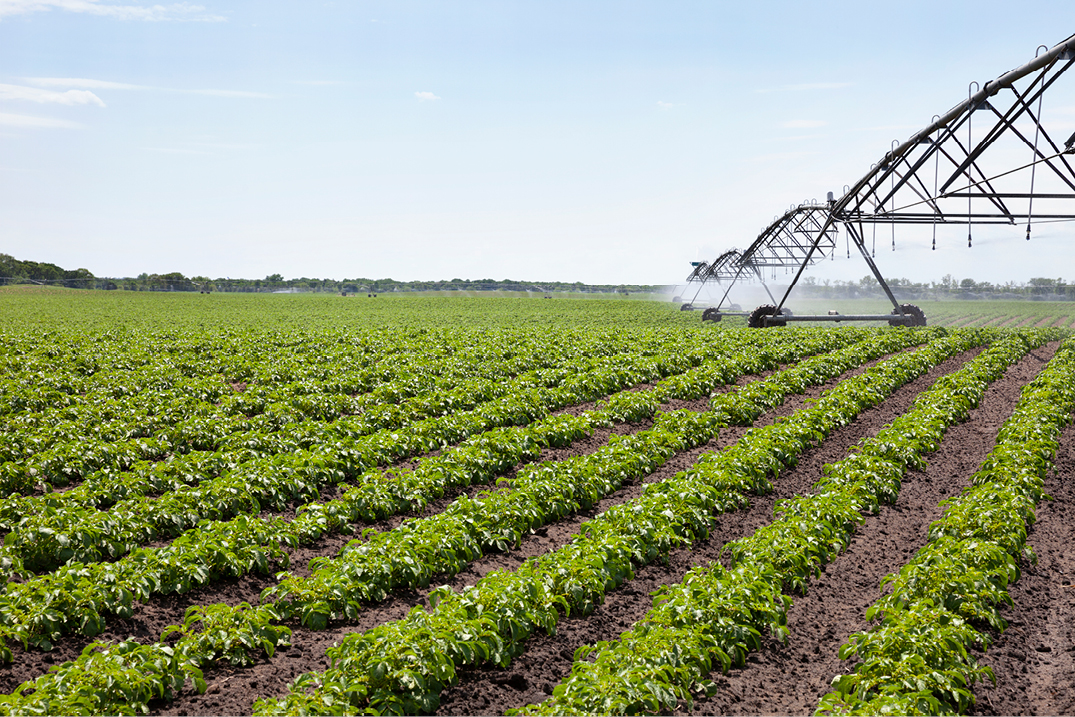
Recent activity in the arable property market has been restrained. Returns from seeds and grains are insufficient to underwrite land purchases. Uncertainty around some markets, including Watties winding down Canterbury frozen vegetable production, has restricted the buyer pool.
Cropping farms with potential for alternative land use have sold. These have scope for future subdivision, dairy support, or conversion to dairy.
Where land use is confined strictly to arable, values are unlikely to reach the previous highs. That said, quality arable land will attract some larger buyers. Any corporate farmer still interested in consolidating an existing business, either via upscaling or trading to obtain better water and soils, will pay attention.
One recent transaction was a larger partially irrigated Mid Canterbury arable block. With such a limited handful of specialist buyers presently active, this sold off market, albeit at a fair value.
Through the coming months some arable properties, including both irrigated and dryland, should list for sale. These will present alternative land use opportunities. Based on their size, location and potential for conversion, they will command interest from both arable farmers and others.

Forestry
After fluctuations through the previous years, the New Zealand carbon price on the Emissions Trading Scheme has remained stable for most of 2026. Additionally, export logs have maintained a steady value over the past 12 months. Any increase for either is likely to spur the forestry property market.
Following government policy amendments, which have now been bedded in for more than 12 months, full farm-to-forestry conversions have ceased, meaning the only way forward for big investors is to buy existing forests.
On the back of the recently confirmed India free trade agreement, demand for New Zealand logs is set to increase, while developing technology to use waste timber, biomass and wood chips to supply steam and heating for the energy market, renewable options to replace fossil fuels, will add further value for forest owners.
In addition to a few recent transactions of smaller Otago and Southland properties, a limited number of planted forestry blocks on the market are attracting some local and overseas interest.
An even supply-demand balance prevails in the market for forestry properties.