

Waikaka, Eastern Southland farm Braeside has been in David Smith’s family since pioneer times, passed on from father to son.
When David became the fourth generation to take over in 1988, the farm had already been in the family for more than a century. David married Elizabeth in 1990. Four decades later, with each of their five daughters pursuing careers outside farming, it came time for the couple to sell, rather than pass Braeside on: not an easy process.
“On a beautiful sunny day, to be out on the farm is the place I enjoy most. The farm has provided well for us over the years and has been a wonderful place to bring up our children. It’s where I feel happiest,” says David.

After more than a year of discussion, last August they asked Derek Ayson of PGG Wrightson Real Estate, Gore to market Braeside.
“We didn’t really know how it would go. We relied on Derek to shepherd us through,” says David.
Derek has guided several multi-generation farm sales, including the Smiths’ friends and neighbours Jamie and Mandy Mouat. After leasing their Slopedown property for several years, the Ayson family also opted to put their farm on the market.
“We were the third generation to farm it, so know first-hand what others go through. With such a legacy, there will always be mixed emotions. Different family members each experience it in their own way. Understanding how those feelings might play out and keeping them in check can be a challenge. Knowing the process and what comes next helps,” says Derek.
In the early days Braeside had been part of Knapdale Station, all tussock and snow grass. David Jolly Smith and his wife Mary, both from Scotland, took up the farm in 1885, initially on a lease. With no dwelling on the property, using 16 Clydesdales they hauled a two-bedroom cottage on skids about 20 kilometres from Otama Valley. Later they relocated the dwelling to a better site on the farm next to more reliable spring water.
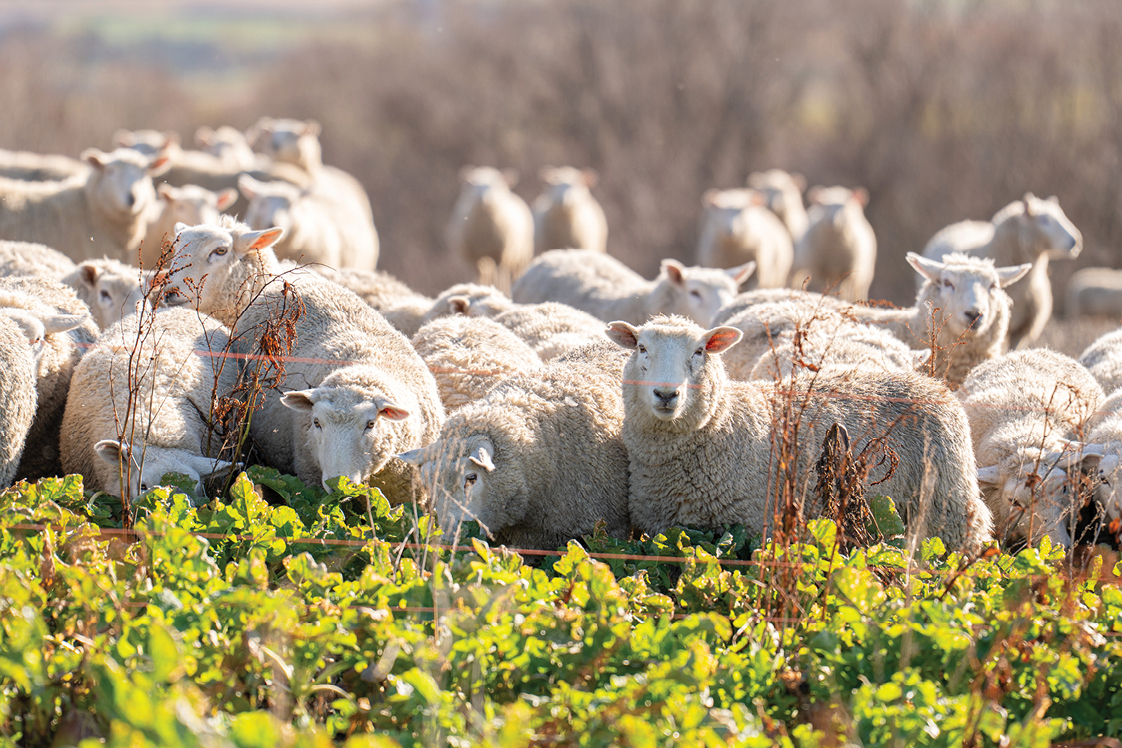
With three horses and a single furrow plough, the first David Smith broke in the land. Once ploughed, to begin with he grew turnips, then the following season he grew oats on the first cultivated land, breaking in a new block for turnips each year. After initially stocking Merinos, he changed to Border Leicesters, then to Romneys.
Like almost all farmers, the Smiths battled ‘the curse of the rabbit.’ Nevertheless, without a regular rabbit skin cheque, many would have gone under. For the Smith family, to buy butter or bread was an absolute disgrace: bread was baked daily and butter churned at home, living by the saying ‘first the farmer has to keep the farm, then the farm will keep the farmer.’
After serving in World War One, David and Mary’s son James took over the farm in 1926 and secured freehold ownership 13 years later. Married to Anna, James developed one of Eastern Southland’s best flocks. In 1953 the farm passed to Stuart and Betty, David’s parents.
Stuart most enjoyed the practical side of farming.
“He enjoyed fixing things. If he wasn’t a farmer, he would have liked to be a carpenter. I’m more interested in the stock, so we worked well together,” says David.
In the challenging financial times of the 1980s, to buy the farm from his parents David needed to borrow 100 per cent at eye-watering interest rates. Fortunately, conditions improved soon after.
“In the end our timing was good.”
Despite moving to Gore, Stuart still came back daily to assist on the farm.
After their decision to take the next step in their lives, timing again treated David and Elizabeth kindly.
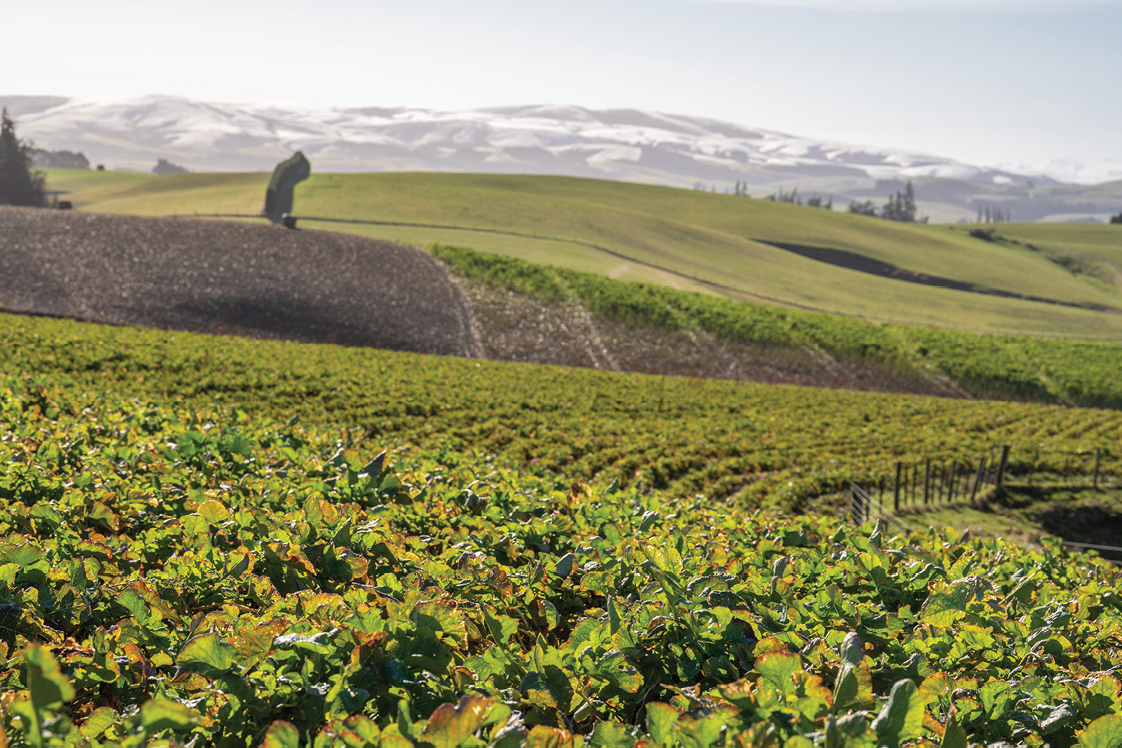
“This has been a good time to sell. My grandfather would say ‘sell on a high, buy on a low.’ With farming doing better now than any other time during my career, we’ve managed to benefit from that,” says David.
Once they decided to move on they had to be patient. Interest in Braeside came quickly, including two offers. While they accepted a conditional contract, after seven months the back-up offer became more favourable.
“Braeside has gone to local buyers who sold their previous farm three years ago and have been waiting for the right property to come up. This has worked out well for both parties,” says Derek.
He reckons that, even with such favourable returns, and plenty of market optimism, buyers and sellers should remain realistic.
“On each listing a greater number of serious buyers are showing an interest, with support from their bankers. However, values are not necessarily increasing. A farm’s ongoing viability is still the main consideration.”
Having handed over Braeside in mid-August, David and Elizabeth Smith are house-sitting for a few months, contemplating their next move.



Related posts
Back to News & Publications
